
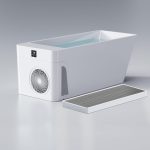
 Cold Plunge
 Hot Tubs
 Saunas
 Softub
 Hyperbaric
 Red Light
Cold Plunges, Jeff Answers
How Long Should You Stay in a Cold Plunge?
Jeff Answers: That Depends on Temp, Time, Experience, and Purpose.
If you’ve spent any time looking up cold plunging online, you’ve probably seen a number of different answers to this question.
Two minutes.
Three minutes.
Five minutes.
Ten minutes.
I’ve even seen people treat staying in cold water as an endurance contest.
That’s not how I look at it.
There isn’t one perfect amount of time to stay in a cold plunge.
The temperature of the water matters. Your experience matters. What you’re trying to accomplish matters. And most importantly, how your body responds matters.
A better question is:
How long should I stay in the cold plunge at this temperature, for this purpose?
That’s what we’re going to work through.
THE SHORT ANSWER
For most people, I wouldn’t start by chasing a specific number of minutes.
I’d start conservatively with a manageable temperature and a short exposure.
Then learn how you respond.
As you become more experienced, you can adjust the temperature or the time depending on what you’re trying to accomplish.
What I don’t recommend is making both variables more extreme at the same time.
If you’re making the water significantly colder, that doesn’t mean you also need to stay in longer.
Colder and longer isn’t automatically better.
Temperature and Time Work Together
This is probably the most important thing to understand about cold plunging.
A two-minute plunge at one temperature is not the same experience as two minutes at a substantially colder temperature.
That’s why I don’t like giving someone a duration without also talking about temperature.
Think about cold exposure as a combination of:
TEMPERATURE × TIME × EXPERIENCE × PURPOSE
Change one of those variables and you’ve changed the experience.
Someone who’s been cold plunging regularly for a year may respond very differently from someone climbing into cold water for the first time.
And someone using cold-water immersion after a demanding endurance event may have a different reason for doing it than someone who simply enjoys cold exposure as part of a morning wellness routine.
There isn’t one protocol that fits all of those people.
What Does the Research Use?
Cold-water immersion has been studied extensively in sports and exercise recovery.
Many research protocols use water temperatures somewhere around 41°F to 59°F (5°C to 15°C), with immersion periods often around 10 to 15 minutes.
That doesn’t mean 10 to 15 minutes is the ideal home cold-plunge session for everyone.
Those are controlled research protocols designed to investigate particular outcomes in particular groups of people.
That’s very different from saying:
“Everybody should cold plunge for 10 minutes.”
Research also shows that changing the temperature and duration can change the physiological response and recovery outcome.
That’s why context matters.
If You’re a Beginner, Start Conservatively
If you’ve never cold plunged before, I see very little reason to make your first experience extremely cold.
You’re trying to learn how your body responds.
That first immersion can produce a very noticeable reaction — including a sudden change in breathing.
So don’t make your first goal:
“How long can I survive this?”
Instead, make the goal:
“Can I stay calm and controlled?”
Use a manageable temperature.
Keep the first exposure short.
Pay attention to your breathing and how you feel.
Then get out.
You can always make adjustments during future sessions.
Don’t Let the Timer Make the Decision for You
This is something I think gets overlooked.
Let’s say somebody online tells you that a cold plunge should last five minutes.
You’re three minutes into yours and something doesn’t feel right.
Do you stay another two minutes because the internet told you five?
Of course not.
The timer isn’t in charge.
Get out.
Cold exposure creates real physiological stress. Research on cold-water immersion documents an initial cold-shock response that can include involuntary gasping, rapid breathing and cardiovascular changes.
Your goal isn’t to prove that you can overpower those responses.
What If 50°F Feels Really Cold?
Then it’s cold enough.
You don’t receive extra credit because someone else plunges at 39°F.
One of the biggest mistakes I see people make is assuming that the temperature on the machine is some kind of performance score.
It isn’t.
If 50°F gives you the experience you’re looking for, there isn’t a rule saying you need to keep turning the temperature down.
And if you lower the temperature substantially, you may find that a shorter exposure is plenty.
Use the equipment to create the experience you need—not to compete with somebody else’s settings.
Is a Longer Cold Plunge Better?
Not automatically.
This is where the “more must be better” mindset can get people into trouble.
More time means more cold exposure.
That doesn’t mean it produces proportionally more benefit.
The relationship isn’t:
2 minutes = good
4 minutes = twice as good
8 minutes = four times as good
That’s not how physiology works.
The appropriate exposure depends on what you’re doing and why you’re doing it.
At some point, you’re simply adding more stress.
Should I Stay Longer If the Water Is Warmer?
Potentially, but don’t turn that into a rigid formula.
Research protocols often pair moderate cold-water temperatures with longer exposure periods than you might associate with very cold plunging.
That makes sense because temperature and time both contribute to the overall cold exposure.
But I don’t recommend trying to calculate some perfect mathematical cold-plunge dose at home.
You don’t need to.
Start with a temperature and duration you tolerate well, understand why you’re doing it, and adjust gradually if there’s a reason to adjust.
What About Cold Plunging for Exercise Recovery?
This is where purpose becomes especially important.
Cold-water immersion has been studied for post-exercise recovery, including muscle soreness, perceived recovery and performance.
There is evidence that it can help with some recovery outcomes after strenuous exercise.
But that still doesn’t mean every athlete should use the same temperature and duration after every workout.
The type of training matters.
Your next workout matters.
And your long-term training goal matters.
For example, if maximizing muscle growth is your primary objective, regularly jumping into cold water immediately after resistance training may not be the strategy you want.
That’s a separate question we’ve covered in detail.
READ: SHOULD I COLD PLUNGE AFTER LIFTING WEIGHTS? →
How Cold Changes How Long
Here’s the way I want you to think about it.
Moderately Cold Water
You may be comfortable with a somewhat longer exposure because the cold stress is less intense.
Colder Water
You may need considerably less time to create a strong cold exposure.
Extremely Cold Water
This isn’t automatically more effective, and it introduces more stress and potentially more risk.
That’s why buying a plunge capable of reaching an extremely low temperature doesn’t mean you need to operate it there.
The lowest setting is a capability—not a recommendation.
Should I Work My Way Toward Longer Sessions?
Only if there’s a reason.
This isn’t weightlifting.
You don’t necessarily need progressive overload.
You don’t need to add 30 seconds every week just because you can.
If you’ve found a temperature and duration that fit your routine and your goals, there’s nothing wrong with staying there.
Consistency can be more valuable than constantly trying to make the experience harder.
How Do I Know When It’s Time to Get Out?
Don’t ignore warning signs just because you’re trying to reach a time goal.
If you experience symptoms such as significant dizziness, confusion, chest discomfort, unusual shortness of breath, loss of coordination, or anything else that feels concerning, end the session.
And don’t use a cold plunge alone if you have reason to believe you could have difficulty getting yourself out safely.
Cold exposure isn’t something you need to “win.”
What About Shivering?
Some shivering can be part of the body’s normal response to cold.
But intense or prolonged shivering isn’t a goal.
If you’re getting out of the plunge and remaining extremely cold or struggling to warm back up, I’d reconsider what you’re doing.
That could mean changing the temperature, shortening the session, or both.
Again:
More discomfort doesn’t automatically mean more benefit.
How Often Should You Cold Plunge?
Duration is only one part of the equation.
You also have to consider frequency.
A person doing a relatively mild cold exposure several times a week is creating a very different routine from someone doing extremely cold, prolonged exposures every day.
That’s why I don’t like evaluating temperature, duration, and frequency separately.
They’re all part of the same routine.
We’ll cover frequency in its own Ask Jeff answer.
ASK JEFF: HOW OFTEN SHOULD YOU COLD PLUNGE? →
My Advice If You’re Just Getting Started
Don’t start with the coldest temperature your plunge can produce.
Don’t start with the longest session somebody on social media recommends.
And don’t feel like you failed because you got out sooner than somebody else.
Start conservatively.
Learn what the cold feels like.
Learn how your breathing responds.
Learn how you feel afterward.
Then decide whether there’s actually a reason to change anything.
That’s a much better approach than blindly following somebody else’s protocol.
THE QUESTION I WOULD ASK YOU
If you came into Avantikul and asked me:
“Jeff, how long should I stay in my cold plunge?”
I’d probably answer with another question:
“What are you trying to accomplish?”
Because that’s where the conversation should start.
Are you using it around training?
Are you trying to build a regular cold-exposure routine?
Are you pairing it with a sauna or hot tub?
Are you an experienced cold plunger?
Or did your new plunge arrive yesterday and you’re about to get in for the first time?
Those are very different situations.
And they shouldn’t automatically get the same answer.
Jeff’s Bottom Line
There is no magic number of minutes that makes a cold plunge effective.
Think about four things:
TEMPERATURE
How cold is the water?
TIME
How long are you exposed?
EXPERIENCE
How accustomed are you to cold-water immersion?
PURPOSE
Why are you doing it?
Put those together.
Then build a routine you can actually use consistently.
You don’t have to make cold plunging harder to make it worthwhile.
Frequently Asked Questions
Is 2 minutes in a cold plunge enough?
It can be a meaningful cold exposure, particularly at colder temperatures or for someone who’s new to cold plunging.
There’s no universal minimum duration that everyone must reach.
Is 5 minutes in a cold plunge enough?
For many people, five minutes can represent a substantial cold exposure.
Whether it’s appropriate depends on water temperature, experience, health and purpose.
Don’t use five minutes as a mandatory target.
Is 10 minutes too long in a cold plunge?
That depends heavily on temperature and the individual.
Ten-to-fifteen-minute exposures appear in exercise-recovery research, but that doesn’t make 10 minutes an appropriate target for every person or every water temperature.
Is 15 minutes too long?
Don’t assume that because a duration appears in a research protocol it’s appropriate for your personal routine.
Temperature, individual response and purpose all matter.
Longer isn’t automatically better.
Should beginners cold plunge for less time?
That’s the approach I prefer.
Starting with a shorter, manageable exposure gives you an opportunity to learn how your body responds before experimenting with more demanding conditions.
Should I make the water colder as I become more experienced?
Only if you have a reason.
You don’t have to continually lower the temperature to “progress” at cold plunging.
If your current setting gives you the experience you’re looking for, it may be exactly where it should be.
Is 50°F cold enough for a cold plunge?
For many people, 50°F feels very cold and provides a substantial cold-water exposure.
There’s no requirement to reach near-freezing temperatures for a cold plunge to “count.”
READ: HOW COLD DOES A COLD PLUNGE REALLY NEED TO BE? →
Build the Routine Around the Goal
A cold plunge is a tool.
So is a sauna.
So is a hot tub.
So is red light therapy.
The goal isn’t to collect the most equipment or follow the most extreme protocol.
The goal is to build a wellness routine that fits your life and that you’ll actually use.
About Jeff Rempfer
Jeff Rempfer is Vice President of Avantikul and a 29-year firefighter. His approach to home wellness and recovery has been shaped by decades of physically demanding work, training, injuries, rehabilitation, and firsthand experience with recovery equipment.
Jeff’s philosophy is simple:
Start with what you want to accomplish. Then choose the tools that help you get there.
Important Health Information
Cold-water immersion creates significant physiological responses and isn’t appropriate for everyone.
People with cardiovascular or circulation concerns, certain medical conditions, people taking medications that may affect their response to cold, pregnant individuals, and anyone unsure whether cold-water immersion is appropriate for them should consult an appropriate healthcare professional before beginning a cold-water immersion routine.
Information provided by Avantikul is for general educational purposes and isn’t medical advice or a substitute for individualized medical care.
