
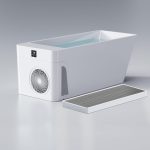
 Cold Plunge
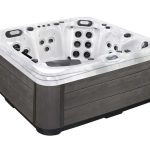 Hot Tubs
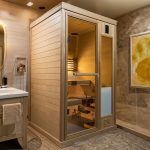 Saunas
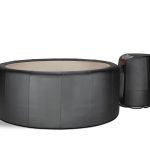 Softub
 Hyperbaric
 Red Light
Hot tubs, cold plunges, saunas, and recovery solutions designed around your goals — not just the latest wellness trend.
When someone asks me what they should buy for recovery at home, I usually answer with another question:
What are you trying to accomplish?
That’s where I think the conversation needs to start.
Maybe you train several days a week and want a better recovery routine after workouts. Maybe you’re active on the weekends and notice that recovery doesn’t happen quite as quickly as it used to. Or maybe you’re simply looking for a place to slow down, relax, and make taking care of yourself part of your normal routine.
Those are different goals.
And they don’t necessarily require the same equipment.
I’ve spent a lot of time around recovery — both professionally and personally. After 29 years as a firefighter and going through my own injuries, surgeries, and rehabilitation, I learned that having access to recovery tools is one thing.
Actually using them consistently is another.
That’s one of the biggest advantages of creating a recovery space at home.
— Jeff Rempfer
Wellness Expert, Avantikul
SHOP HOME RECOVERY EQUIPMENT →
What Is a Home Recovery Space?
A home recovery space is simply an area of your home dedicated to helping you recover, relax, and reset.
It doesn’t have to look like a professional recovery center.
I’ve seen great setups built in backyards, garages, home gyms, covered patios, spare rooms, and surprisingly small spaces.
Some people start with one piece of equipment. Others build an entire recovery area.
A home recovery space might include:
-
A hot tub for warm-water hydrotherapy and relaxation
-
A cold plunge for controlled cold-water immersion
-
A sauna for heat sessions
-
Red light therapy as another part of a home wellness routine
-
A combination of several recovery tools
The right setup depends on what you want from it.
That’s why I recommend starting with the goal rather than starting with a shopping list.
Hot Tub, Cold Plunge or Sauna?
They Don’t Do the Same Thing
This is probably one of the most common conversations we have.
“Should I get a hot tub, cold plunge, or sauna?”
There isn’t one answer that’s right for everyone.
These are different experiences, and I wouldn’t choose between them simply by asking which one is the “best.”
I’d ask when you’re going to use it and why.
Hot Tubs: Warm Water, Hydrotherapy and Relaxation
There’s a reason hot tubs have been part of people’s recovery routines for decades.
Warm water feels good.
Add strategically positioned hydrotherapy jets and you have something that’s difficult to duplicate sitting on a couch or lying in bed.
For someone who wants to unwind after a long day, relax after physical activity, or simply create a place where they’ll consistently spend some quiet time, a hot tub can make a lot of sense.
One thing I especially like about a hot tub is that it doesn’t feel like another task on your schedule.
You actually look forward to getting in it.
And in my experience, that matters more than people realize.
EXPLORE HOT TUBS →
Cold Plunges: Controlled Cold at Home
Cold plunges have exploded in popularity.
And while I’m a believer in cold exposure when it’s used appropriately, I don’t believe everyone needs to prove how tough they are by getting into the coldest water possible.
Colder isn’t automatically better.
A good cold plunge gives you control over the experience.
Instead of filling a bathtub with bags of ice, you can maintain a consistent water temperature and develop a routine that works for you.
Some people incorporate cold-water immersion around training. Others like it in the morning because they enjoy the experience and the way they feel afterward.
What matters is understanding why you’re doing it, rather than simply copying someone’s routine from social media.
EXPLORE COLD PLUNGES →
Saunas: A Different Kind of Heat
People sometimes put hot tubs and saunas in the same category because they’re both associated with heat.
I don’t look at them that way.
A sauna gives you a very different experience from sitting in warm water.
For many people, a sauna becomes a place where they intentionally stop.
No phone. No email. No television.
Just time.
That can be valuable all by itself.
Saunas also work extremely well in home wellness spaces because they can be paired with a cold plunge to create a convenient hot-and-cold routine without having to leave your home.
EXPLORE SAUNAS →
What About Contrast Therapy?
This Is Where Home Recovery Gets Interesting
When you put a cold plunge next to a sauna or hot tub, you create another option:
Contrast therapy.
At its simplest, contrast therapy involves alternating between heat and cold.
People have been using variations of hot and cold exposure for a very long time, but today’s equipment makes it much easier to create a controlled experience at home.
Instead of driving to a wellness center every time you want to use heat and cold, your setup might be twenty feet from your back door.
That’s a big deal.
Because with almost any wellness routine, convenience affects consistency.
But I also don’t recommend blindly following somebody else’s contrast routine.
How long you stay in the heat, how cold you go, when you use cold, and how frequently you do it should depend on your experience, health considerations, and what you’re trying to accomplish.
LEARN ABOUT HOME CONTRAST THERAPY →
Where Should You Build a Home Recovery Space?
Probably Closer Than You Think
People sometimes assume they need a dedicated wellness room.
You don’t.
I’ve seen homeowners create excellent recovery spaces in:
Backyards
A natural location for hot tubs, outdoor saunas, and cold plunges.
Covered Patios
Great for keeping several pieces of wellness equipment together while maintaining an indoor/outdoor feel.
Home Gyms
Especially convenient if recovery is primarily connected to your training routine.
Garages
Often overlooked, but garages can provide plenty of room for certain cold plunge and sauna configurations.
Dedicated Wellness Rooms
If you have the space, you can create an environment specifically designed around relaxation and recovery.
Sometimes the best solution uses both indoor and outdoor space.
Your gym might be inside while your cold plunge is immediately outside the door. Your sauna might sit beside the plunge while the hot tub is farther out on the patio.
They don’t all need to be lined up against the same wall to be part of the same routine.
Start Small or Build the Whole Space?
Either approach can work.
If you’re just beginning to explore home recovery, I’d rather see you buy one piece of equipment you’re going to use four or five times a week than build an elaborate recovery room that becomes another room you rarely enter.
Start with the thing that addresses your biggest goal.
Then live with it.
You’ll quickly learn what you like, when you use it, and what you wish you had next.
On the other hand, if you’re already committed to recovery and know that you want heat, cold, hydrotherapy, and other modalities available at home, it makes sense to think about the entire space before purchasing the first piece.
That’s where planning becomes important.
Electrical requirements, drainage, ventilation, equipment clearances, access for installation and service, and how you’ll move between different pieces of equipment are much easier to address before everything arrives.
What Would I Put in a Home Recovery Space?
I get asked this one a lot.
If space and budget weren’t the issue, I’d want access to three things:
Heat. Cold. Hydrotherapy.
That could mean a sauna, cold plunge, and hot tub.
Why all three?
Because I wouldn’t necessarily use them all for the same reason or at the same time.
There are days when I might want cold.
There are days when I’d rather have heat.
And there are definitely days when I’d rather sit in warm water with hydrotherapy jets and relax.
That’s the advantage of creating a complete wellness space.
You’re not locked into one experience.
But again, you don’t have to start there.
The best home recovery setup is the one that fits your goals, your space, your budget, and — most importantly — your life.
Home Recovery FAQs
What equipment do I need for a home recovery room?
There isn’t a required list. Most home recovery spaces begin with a hot tub, cold plunge, sauna, or another wellness product based on the owner’s primary goal. More complete spaces may combine hot and cold equipment with hydrotherapy and other recovery technologies.
Can I put a cold plunge and sauna together?
Yes. A cold plunge and sauna are commonly placed near each other to make transitioning between heat and cold convenient. Before choosing equipment, consider electrical requirements, drainage, ventilation, manufacturer-required clearances, flooring, and whether the equipment is rated for your intended location.
Can I put recovery equipment in my garage?
Depending on the equipment and the garage, absolutely. Cold plunges and some saunas can work well in garage environments. You still need to consider electrical service, ventilation, drainage, temperature conditions, equipment specifications, and local installation requirements.
Is a hot tub or sauna better for recovery?
I wouldn’t call one universally better.
A hot tub combines warm-water immersion with hydrotherapy and gives you an environment where you can sit and relax. A sauna provides a dry or infrared heat experience, depending on the type.
Which makes more sense depends on the experience you’re looking for and how you intend to use it.
Do I need both a hot tub and a cold plunge?
No.
Plenty of people have only one.
But if you enjoy both warm-water hydrotherapy and controlled cold-water immersion, having both at home gives you considerably more flexibility.
Is colder always better when cold plunging?
No.
That’s something I think is worth repeating.
You don’t win anything for having the coldest plunge in the neighborhood.
Temperature, exposure time, your experience with cold, health considerations, and what you’re trying to accomplish all matter.
Can I build a recovery space in a small backyard?
Yes. Good planning matters more than simply having a large space. Compact cold plunges, hot tubs, and certain sauna configurations can be incorporated into relatively small outdoor areas. We can help you determine what makes sense based on your available space.
Build Your Recovery Space Around You
There are more home wellness products available today than I’ve ever seen.
That’s exciting.
It can also make choosing between them confusing.
My advice is simple:
Don’t start with the product. Start with yourself.
What are you trying to accomplish?
When would you realistically use the equipment?
Where would you put it?
Would you rather have heat, cold, hydrotherapy — or access to all three?
Answer those questions first.
Then we can help you figure out the equipment.
That’s how we approach home recovery at Avantikul.
— Jeff Rempfer
Wellness Expert, Avantikul
Ready to Create Your Home Recovery Space?
Explore Avantikul’s collection of hot tubs, cold plunges, saunas, red light therapy, and home wellness equipment, or talk with us about creating a recovery space designed around your goals.
SHOP HOME RECOVERY EQUIPMENT →
TALK WITH A WELLNESS EXPERT →