
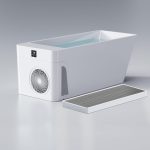
 Cold Plunge
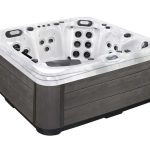 Hot Tubs
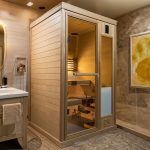 Saunas
 Softub
 Hyperbaric
 Red Light
Bring Heat and Cold Together at Home
Combine a cold plunge with a sauna or hot tub to create a home contrast therapy setup designed around your routine, your space, and your goals.
Contrast therapy is one of those things that sounds complicated until you actually experience it.
You get hot.
You get cold.
You repeat the process if that’s part of your routine.
But here’s where I think people sometimes make a mistake: they get so focused on temperatures, timers, and protocols that they forget to ask the most important question.
Why am I doing this?
Someone using heat and cold because they enjoy how it makes them feel may approach it differently from an athlete thinking specifically about training and recovery.
There’s no prize for having the coldest plunge or staying in the sauna longer than everybody else.
The objective is to create a routine that makes sense for you — and one you’ll continue using.
That’s how we approach contrast therapy at Avantikul.
— Jeff Rempfer
Wellness Expert, Avantikul
EXPLORE CONTRAST THERAPY EQUIPMENT →
What Is Contrast Therapy?
At its simplest, contrast therapy involves alternating between heat and cold exposure.
At home, that commonly means pairing:
Sauna + Cold Plunge
or
Hot Tub + Cold Plunge
Both give you access to heat and cold, but they’re very different experiences.
A sauna exposes your body to a heated environment.
A hot tub surrounds you with warm water and can add hydrotherapy through strategically positioned jets.
A cold plunge gives you controlled cold-water immersion.
Put them together and you can move between heat and cold without driving to a gym, spa, or recovery center.
For me, that’s one of the biggest advantages of having this equipment at home:
You remove the friction.
If using it requires a 20-minute drive each way, it’s pretty easy to say, “I’ll do it tomorrow.”
When it’s twenty feet from your back door, that’s a different story.
Sauna + Cold Plunge or Hot Tub + Cold Plunge?
This Is One of the First Decisions to Make
People often ask me which combination is better.
I wouldn’t look at it that way.
I’d look at the experience you want.
Sauna + Cold Plunge
This is probably what most people picture when they hear “contrast therapy.”
You spend time in the heat, exit the sauna, and transition into cold water.
It’s a very distinct change in environment, and a lot of people enjoy that ritual.
If you like the experience of sitting in a sauna and want a dedicated hot-and-cold setup, this combination makes a lot of sense.
EXPLORE SAUNAS →
Hot Tub + Cold Plunge
This creates a completely different experience.
Instead of dry or infrared heat, you’re moving between warm-water immersion and cold-water immersion.
A hot tub also adds something a sauna doesn’t:
Hydrotherapy jets.
That can make the warm side of the routine feel much more like relaxation than simply heat exposure.
Personally, there are days when that’s exactly what I’d want.
EXPLORE HOT TUBS →
Can You Have All Three?
Absolutely.
A hot tub + sauna + cold plunge gives you three different experiences rather than forcing one piece of equipment to do everything.
That’s where home wellness spaces get interesting.
You might use the sauna and cold plunge together one day.
Another evening, you might completely ignore the cold plunge and spend time relaxing in the hot tub.
That’s perfectly fine.
You don’t have to use every piece of wellness equipment every time you walk into the space.
Which Comes First: Hot or Cold?
This may be the most common contrast therapy question we hear.
And you’ll find plenty of people online who are absolutely convinced there’s only one correct answer.
I don’t think it’s that simple.
For a traditional hot-and-cold experience, many people begin with heat and then transition to cold.
But the order, temperature, duration, and frequency should depend on why you’re doing it, your experience level, your health, and how your body responds.
There’s another consideration that’s especially important for people who train:
Timing matters.
Cold-water immersion immediately following certain types of resistance training may not always align with someone’s long-term muscle-building goals. That’s a good example of why I don’t like universal rules such as “always cold plunge immediately after your workout.”
Your goal matters.
Your timing matters.
And the routine that makes sense for someone training for strength may not be the same routine another person chooses simply because they enjoy heat and cold.
How Cold Does a Cold Plunge Need to Be?
Probably Not as Cold as Social Media Makes You Think
Cold plunging has become competitive.
You’ll see people breaking ice, posting temperatures, and trying to stay submerged longer than the person they watched yesterday.
That’s not how I look at it.
Cold enough to create a meaningful cold-water experience doesn’t mean as cold as you can possibly tolerate.
If you’re new to cold-water immersion, there’s nothing wrong with starting warmer and learning how your body responds.
You can always adjust.
What I don’t recommend is buying a cold plunge, immediately setting it to its lowest possible temperature, and deciding that suffering through it somehow makes the experience better.
It doesn’t.
Consistency beats bravado.
EXPLORE COLD PLUNGES →
How Hot Should a Sauna Be?
That depends partly on the type of sauna.
A traditional sauna and an infrared sauna don’t necessarily operate at the same air temperatures or create exactly the same experience.
That’s why comparing sauna temperatures without identifying the type of sauna can be misleading.
Rather than chasing the highest number on the thermometer, learn how your particular sauna is intended to operate and begin conservatively.
You can adjust your routine as you become familiar with the equipment and how you respond to heat.
Again, the same principle applies:
More isn’t automatically better.
How Long Should a Contrast Therapy Session Last?
There’s no universal timer I would hand everyone.
That’s because a “contrast therapy session” could describe very different routines.
Someone might use a sauna followed by a brief cold plunge.
Someone else might alternate between warm water and cold water.
Another person may repeat several rounds.
And beginners shouldn’t assume they need to copy the routine of someone who has been doing this for years.
My advice is to start conservatively.
Learn how you respond to heat.
Learn how you respond to cold.
Then build your routine from there.
You don’t have to prove anything on your first session.
A Simple Way to Think About Contrast Therapy
Instead of obsessing over a perfect protocol, think about contrast therapy as four variables:
HEAT
Where is your heat coming from?
Sauna or hot tub?
COLD
What temperature is comfortable and appropriate for your current experience?
TIME
How long are you spending in each environment?
PURPOSE
Why are you doing it?
That last one is the variable people tend to skip.
It’s also the one I’d start with.
Building a Home Contrast Therapy Space
Think About the Space Before You Order the Equipment
This is an area where a little planning can save you a lot of frustration later.
It’s easy to look at a beautiful sauna and cold plunge online and think:
“Those would look great right there.”
Maybe they would.
But before ordering them, we need to talk about what’s behind them, underneath them, and around them.
Depending on the equipment, things to consider can include:
-
Electrical requirements
-
Water supply
-
Drainage
-
Ventilation
-
Flooring and water management
-
Equipment clearances
-
Indoor versus outdoor ratings
-
Access for installation
-
Access for future service
-
Local climate
-
Distance between equipment
And here’s one people sometimes overlook:
How are you actually going to move through the space?
If you’re planning to transition between your sauna and cold plunge, those pieces of equipment shouldn’t be positioned as unrelated objects.
They’re part of the same experience.
Design them that way.
Indoor or Outdoor Contrast Therapy?
Both can work.
I’ve seen great contrast therapy setups in backyards, garages, home gyms, covered patios, dedicated wellness rooms, and combinations of indoor and outdoor spaces.
The right location depends heavily on your home and the equipment you’re considering.
Backyard Contrast Therapy
A backyard can be ideal because there’s often more flexibility for larger equipment and water management.
It can also become part of a larger outdoor wellness space incorporating a hot tub, sauna, cold plunge, seating, privacy features, lighting, and landscaping.
Garage Contrast Therapy
Garages are interesting because they’re often underutilized.
Depending on the equipment and environment, a garage may provide room for a cold plunge and sauna without sacrificing living space.
Just don’t assume that because it’s a garage, installation considerations disappear.
Home Gym Contrast Therapy
This is one of my favorite arrangements for someone who trains regularly.
Your workout equipment and recovery equipment become part of the same environment.
And the cold plunge or sauna doesn’t necessarily need to be physically inside the gym.
It can be immediately outside or in an adjoining space.
The goal is convenience.
Do You Need a Dedicated Contrast Therapy Room?
No.
You need the right equipment in the right environment.
That’s different.
A beautiful dedicated wellness room is great if you have the space and budget.
But I’ve seen compact setups that accomplish exactly what the owner wanted using a relatively small footprint.
I’d rather help someone build a simple setup they’ll use constantly than an elaborate one designed primarily to look good in photographs.
One Thing I Wouldn’t Do
Don’t Design Your Wellness Space Around Instagram
This probably sounds strange coming from someone who sells wellness equipment.
But I mean it.
There are some incredible home recovery spaces online.
Use them for inspiration.
Just don’t assume you need to duplicate them.
You may not need a $50,000 wellness room.
You may need a good cold plunge ten feet from your sauna.
Or maybe you’d get much more use from a hot tub and cold plunge on the patio.
Your space should make sense for your routine, not someone else’s photograph.
Is Contrast Therapy Right for Everyone?
No wellness practice is appropriate for everyone.
Heat and cold both create physiological stress, and certain medical conditions, medications, pregnancy, cardiovascular concerns, circulation issues, or other health circumstances can change whether heat or cold exposure is appropriate.
If you have a medical condition or aren’t sure whether heat or cold exposure is appropriate for you, talk with your healthcare professional before beginning.
That’s not something I would try to diagnose across a showroom counter.
Our job is to help you understand and select the equipment. Your healthcare provider is the person to talk to about your individual medical situation.
I think maintaining that distinction is important.
Contrast Therapy FAQs
What is contrast therapy?
Contrast therapy generally involves alternating between heat and cold exposure. In a home wellness environment, this commonly involves combining a sauna or hot tub with a cold plunge.
Do you sauna or cold plunge first?
Many contrast routines begin with heat and transition to cold, but there isn’t one sequence that’s appropriate for every person or every goal. Your routine should account for your experience, health, reason for using heat and cold, and how your body responds.
Can you use a hot tub for contrast therapy?
Yes. A hot tub can provide the warm-water side of a hot-and-cold routine and can be paired with a cold plunge. This creates a different experience from pairing a sauna with a cold plunge because the hot tub provides warm-water immersion and hydrotherapy jets.
Is a sauna or hot tub better with a cold plunge?
Neither is universally better. A sauna provides a traditional or infrared heat experience depending on the model, while a hot tub provides warm-water immersion and hydrotherapy. The better choice depends on the experience you want and how you intend to use the space.
Can I put a sauna and cold plunge next to each other?
Often, yes, provided both products are installed according to their manufacturer’s requirements. Electrical service, drainage, ventilation, water management, clearances, flooring, and indoor/outdoor ratings should all be considered before determining placement.
Do I need a chiller for a cold plunge?
If you want to maintain cold water at a controlled temperature without continually adding ice, a cold plunge with an appropriate chilling system makes the process considerably easier and more consistent.
Should I cold plunge immediately after lifting weights?
Not necessarily. Research has raised questions about routinely using cold-water immersion immediately after resistance exercise when maximizing long-term muscle growth is the primary goal. Training goals and timing matter, so this is one area where copying a universal post-workout routine isn’t a great idea.
Is colder better for cold plunging?
No. Extremely cold water isn’t automatically more beneficial simply because it’s colder. Beginners in particular should approach cold exposure conservatively and learn how they respond before progressing.
How much space do I need for home contrast therapy?
It depends on the equipment. A basic sauna-and-cold-plunge setup can fit into a relatively compact area, while a complete backyard wellness environment containing a hot tub, sauna, and cold plunge requires more room. Installation clearances and service access should be considered in addition to the physical dimensions of the equipment.
Build the Routine First
If you’re thinking about adding contrast therapy to your home, don’t start by asking:
“What’s the best cold plunge?”
Start with:
“What am I trying to accomplish, and what routine am I realistically going to use?”
Then we can talk about equipment.
Maybe that’s a sauna and cold plunge.
Maybe it’s a hot tub and cold plunge.
Maybe you want all three.
Or maybe after talking through your goals, we discover that you really only need one.
I’m perfectly comfortable with that answer too.
The goal isn’t to put the most equipment in your backyard.
It’s to create a wellness environment you’ll actually use.
That’s what we’re here to help you build.
— Jeff Rempfer
Wellness Expert, Avantikul
Ready to Build Your Home Contrast Therapy Setup?
Explore Avantikul’s selection of cold plunges, saunas, hot tubs, and home wellness equipment, or talk with us about designing a hot-and-cold setup around your home and your goals.
SHOP CONTRAST THERAPY EQUIPMENT →
TALK WITH A WELLNESS EXPERT →