
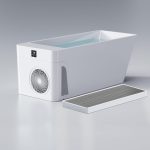
 Cold Plunge
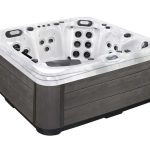 Hot Tubs
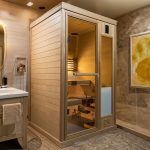 Saunas
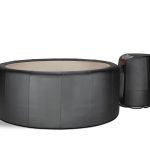 Softub
 Hyperbaric
 Red Light

FREQUENTLY ASKED QUESTIONS
Cold Plunges, Saunas, Hot Tubs & Home Wellness
Have questions about cold plunges, saunas, hot tubs, red light therapy, contrast therapy, installation, maintenance, or building a wellness space at home?
You’re in the right place.
We’ve put together straightforward answers to the questions we hear most often from Avantikul customers.
For questions that deserve a deeper explanation, visit Ask Jeff, where Jeff Rempfer shares practical insight about home wellness and recovery equipment.
CATEGORIES
A hot tub provides warm-water immersion, hydrotherapy jets, and a dedicated place to relax at home.
People use hot tubs for different reasons. Some enjoy them after exercise or a physically demanding day. Others use them primarily for relaxation, spending time with family, or creating a more complete backyard wellness space.
Warm water and hydrotherapy can be part of a recovery and wellness routine, but we don’t think you need to attach a medical claim to every reason for owning a hot tub.
Sometimes it just feels good to get in the hot tub.
Both provide heat, but the experience is very different.
A sauna exposes your body to a heated environment.
A hot tub provides warm-water immersion along with buoyancy and, depending on the model, strategically positioned hydrotherapy jets.
If you enjoy sitting, relaxing, socializing, and having targeted jets available for areas such as your back, shoulders, legs, or feet, a hot tub may provide the experience you’re looking for.
Neither is universally better.
ASK JEFF: HOT TUB OR SAUNA — WHICH SHOULD I CHOOSE? →
Many people enjoy using a hot tub after exercise because warm-water immersion and hydrotherapy provide a comfortable environment for relaxing after training.
Research has also examined passive heat exposure, warm-water immersion, circulation, and recovery-related outcomes.
That doesn’t mean a hot tub should be presented as a treatment for an injury or as something every athlete needs after every workout.
Think of it as one recovery option rather than a mandatory protocol.
Hydrotherapy generally refers to using water as part of a wellness, rehabilitation, or therapeutic experience.
In a hot tub, the experience comes from a combination of warm-water immersion, buoyancy, and water movement from the jets.
Jet placement, pressure, seating position, and the design of the spa can significantly affect the experience.
That’s one reason we recommend choosing a hot tub based on how you actually plan to use it rather than simply counting the number of jets.
There isn’t one perfect temperature for everyone.
Your preferred water temperature depends on personal comfort, ambient conditions, how long you plan to use the spa, and individual health considerations.
Always operate the hot tub within the manufacturer’s recommended temperature range and follow applicable safety guidance.
Hotter isn’t automatically better.
No.
A larger jet count doesn’t automatically mean better hydrotherapy.
What matters is where the jets are positioned, how they’re powered, how adjustable they are, and whether they target the areas you actually care about.
Twenty well-positioned jets may provide a better experience for you than a much larger number of poorly positioned ones.
Don’t buy a hot tub based on the jet count alone.
There’s no single session length that’s appropriate for everyone.
Water temperature, outdoor temperature, hydration, health, medications, pregnancy, alcohol use, and individual heat tolerance can all matter.
Follow the manufacturer’s safety guidance, avoid excessive heat exposure, and get out if you feel dizzy, lightheaded, nauseated, unusually tired, or otherwise unwell.
Many hot-tub owners incorporate their spa into a regular routine.
How frequently you use yours is a personal decision based on your health, water temperature, session duration, and how you respond to heat.
You don’t need to use a hot tub according to someone else’s wellness protocol for it to be worthwhile.
There’s no single session length that’s appropriate for everyone.
Water temperature, outdoor temperature, hydration, health, medications, pregnancy, alcohol use, and individual heat tolerance can all matter.
Follow the manufacturer’s safety guidance, avoid excessive heat exposure, and get out if you feel dizzy, lightheaded, nauseated, unusually tired, or otherwise unwell.
It can be an excellent combination for someone who enjoys both warm-water immersion and cold-water exposure.
A hot tub provides heat, buoyancy, relaxation, and hydrotherapy jets.
A cold plunge provides controlled cold-water immersion.
Together, they allow you to create a hot-and-cold routine without requiring a sauna.
Not necessarily.
A hot tub and sauna provide different forms of heat exposure.
Some people prefer the dry or infrared heat experience of a sauna. Others prefer being immersed in warm water with hydrotherapy jets.
If you already enjoy the experience provided by your hot tub and cold plunge, you don’t need to add a sauna simply because someone else’s wellness setup includes one.
Start with the experience you want. Then choose the equipment.
That depends on what you’re trying to accomplish.
Heat followed by cold is a common approach to contrast therapy, but we don’t treat that sequence as a rule everyone has to follow.
Your goals, health, exercise routine, experience, and how you respond to temperature extremes all matter.
ASK JEFF: HOT TUB OR COLD PLUNGE FIRST? →
It can provide the heat side of a hot-and-cold routine, but it doesn’t create the same experience as a sauna.
A sauna exposes you to heated air or infrared energy.
A hot tub surrounds you with warm water and can add buoyancy and hydrotherapy jets.
Both can be paired with a cold plunge.
The better combination depends on what type of heat experience you prefer.
Yes.
That’s one of the most complete home wellness configurations you can create.
The important part is planning the space before buying everything.
Think about electrical service, foundations, drainage, water access, equipment clearances, ventilation where applicable, privacy, shade, lighting, walking surfaces, and future service access.
Also think about flow — how you’ll comfortably move between the hot tub, cold plunge, sauna, and a place to sit or cool down.
A filled hot tub is extremely heavy, so it needs an appropriate level, structurally sound foundation.
The exact requirements depend on the spa, its filled weight, installation location, and local conditions.
Concrete is common, but other properly engineered surfaces may be appropriate depending on the installation.
Don’t place a hot tub on a surface simply because it looks level. Verify that the surface can support the filled spa and its occupants.
That depends on the model.
Don’t plan only around the outside dimensions of the spa.
You may also need space for steps, cover operation, electrical equipment, drainage, access around the spa, and future service.
Check the specifications for the exact hot tub you’re considering before preparing the installation area.
Many full-size hot tubs require a dedicated electrical circuit and professional electrical installation.
Requirements vary by model.
Some smaller or portable spas operate on 120-volt service, while larger spas commonly have different electrical requirements.
Always use the specifications for the exact model you’re purchasing and have electrical work performed in accordance with applicable codes and manufacturer instructions.
There’s no single schedule that applies to every spa and household.
Water volume, number of users, frequency of use, water chemistry, filtration, sanitation system, and maintenance practices all affect water quality.
Maintain the water according to the spa manufacturer’s recommendations and replace it when appropriate for your particular system and usage.
It shouldn’t be complicated once you understand the routine.
Typical hot-tub ownership involves maintaining proper water chemistry, cleaning or replacing filters, keeping the water and surfaces clean, monitoring the equipment, and periodically replacing the water.
The exact maintenance requirements vary by spa and sanitation system.
Our team can help you understand what ownership involves before you choose a model.
Some hot tubs can be installed indoors, but indoor installations require additional planning.
Humidity, ventilation, drainage, structural support, water-resistant materials, electrical requirements, access, and the possibility of water spills all need to be considered.
Indoor hot-tub installations should be planned around the particular spa and the building rather than treated like a standard outdoor installation.
In many climates, yes.
Local temperatures, weather, installation, insulation, freeze protection, energy use, and the capabilities of the particular spa all matter.
One of the advantages of having a hot tub at home is being able to make it part of your routine throughout much or all of the year when the equipment and installation are appropriate for your climate.
Yes. Avantikul offers select hot tubs to customers throughout the United States.
Avantikul and Sunset Spas share common ownership, bringing decades of hot-tub and wellness-industry experience to the selection and support of these products.
Customers in Arizona and Nevada can also visit Sunset Spas showrooms to see select hot tubs in person.
Availability, shipping, installation, and local services vary by model and location.
COLD PLUNGES FAQs
A cold plunge is a tub or vessel designed for cold-water immersion.
Unlike an improvised ice bath, many purpose-built cold plunges use a chiller, circulation system, filtration, and water-treatment components to maintain cold water at a controlled temperature.
That makes it easier to create a consistent cold-water routine without continually buying and adding ice.
There isn’t one perfect temperature for everyone.
Water temperature, exposure time, your experience with cold, your health, and what you’re trying to accomplish all matter.
If you’re new to cold-water immersion, start conservatively and learn how your body responds before experimenting with colder temperatures.
Colder isn’t automatically better.
There isn’t one universal cold-plunge duration.
Temperature and time work together. A few minutes in moderately cold water creates a very different exposure from the same amount of time in much colder water.
Your experience, health, and what you’re trying to accomplish also matter.
If you’re new to cold-water immersion, start conservatively rather than trying to match someone else’s temperature or time.
Longer isn’t automatically better.
That depends on why you’re cold plunging, your experience, your training schedule, your health, and how you respond.
You don’t need to cold plunge every day simply because you own one.
A sustainable routine that fits your goals is more useful than forcing yourself to follow an arbitrary schedule.
The basic concept — immersing yourself in cold water — is similar.
The biggest difference is control and convenience.
An ice bath typically requires adding ice and manually managing water temperature. A refrigerated cold plunge can chill and maintain the water at a selected temperature and may also include circulation, filtration, and water-treatment systems.
For someone who uses cold-water immersion regularly, that can make a significant difference.
Cold plunges equipped with an appropriate chiller are designed to cool the water without requiring bags of ice.
That means you can set the temperature and allow the system to maintain it rather than rebuilding an ice bath every time you want to plunge.
Check the specifications of the individual model for its temperature range and operating requirements.
Cold-water immersion has been studied extensively for exercise recovery, and research supports its ability to reduce perceived muscle soreness following certain types of strenuous exercise.
That doesn’t mean every athlete should automatically cold plunge after every workout.
The type of exercise and your training goal matter.
Not automatically.
If maximizing muscle growth is your primary goal, research suggests that repeatedly using cold-water immersion immediately after resistance training may reduce some of the adaptations associated with muscle hypertrophy.
Cold-water immersion may still be useful when short-term recovery is the priority.
The important distinction is between recovering from today’s workout and adapting to today’s workout.
Cold exposure produces physiological responses that researchers continue to study, including changes involving inflammatory processes.
But saying that cold plunging simply “eliminates inflammation” is too broad.
Inflammation is also part of the body’s normal response to exercise and other stressors.
How cold-water immersion affects a particular person depends on the context, which is another reason we avoid treating cold plunging as a cure-all.
A cold plunge shouldn’t be considered a weight-loss treatment.
Cold exposure can affect thermogenesis and energy expenditure while the body works to maintain temperature, and researchers continue to study these metabolic responses.
That is very different from demonstrating that regular cold plunging produces meaningful long-term weight loss.
Nutrition, physical activity, sleep, and other lifestyle factors remain much more important.
Cold exposure and immune responses are active areas of research, but current evidence doesn’t justify promising that owning or regularly using a cold plunge will “boost your immune system” or prevent illness.
We prefer to distinguish interesting research from established health claims.
Researchers are investigating cold-water immersion and its relationship with stress, mood, and mental well-being.
Some people also report feeling energized, alert, or accomplished after cold exposure.
Those experiences shouldn’t be confused with evidence that cold plunging treats depression, anxiety, or another mental-health condition.
Cold plunging is not a substitute for professional mental-health care.
Sleep and cold-water immersion are being studied, but the evidence isn’t strong enough to promise that cold plunging will improve sleep for everyone.
Individual responses also vary.
If sleep is your primary concern, think of cold plunging as one possible part of a broader wellness routine rather than a treatment for insomnia.
There isn’t one correct time.
Some people enjoy cold exposure in the morning because they find the experience energizing.
Others incorporate it around exercise or as part of a heat-and-cold routine.
The best time is the one that fits your goals and allows you to use the equipment consistently.
Start conservatively.
Use a manageable water temperature and shorter exposure while you learn how your body responds.
There’s no need to begin with extremely cold water.
You can adjust the temperature and duration gradually as you gain experience.
Many Avantikul cold plunges are designed for indoor or outdoor installation, but installation requirements vary by model.
Climate, direct sunlight, ambient temperature, electrical requirements, drainage, ventilation around equipment, and winter conditions can all affect placement and performance.
Always check the specifications and installation instructions for the particular model you’re considering.
Electrical requirements vary by cold-plunge model and chiller.
Some systems operate on conventional household circuits while others may have different requirements.
Always use the electrical specifications for the exact model you’re purchasing rather than assuming every cold plunge installs the same way.
Our team can help you understand the requirements before delivery.
Maintenance depends on the filtration and sanitation system used by the particular cold plunge.
A typical routine may include maintaining proper water chemistry, cleaning or replacing filters, keeping the tub clean, and periodically replacing water.
Follow the maintenance instructions for your specific system.
SAUNAS FAQs
An infrared sauna uses infrared energy to provide heat rather than relying primarily on heating the surrounding air to the temperatures commonly associated with a traditional sauna.
Because the heating methods are different, infrared and traditional saunas can provide different experiences and operate at different air temperatures.
A traditional sauna primarily heats the air inside the sauna, which then heats your body.
An infrared sauna uses infrared energy to deliver heat and generally operates at a lower air temperature.
Neither is universally better.
The right choice depends on the heat experience you prefer, available space, installation requirements, capacity, and how you plan to use your sauna.
There isn’t one ideal temperature for every person or every infrared sauna.
Infrared saunas generally operate at lower air temperatures than traditional saunas, but the appropriate operating range depends on the equipment.
Follow the manufacturer’s recommendations for your particular sauna and begin conservatively if you’re new to heat exposure.
Session length depends on temperature, the sauna, your experience, health, hydration, and how you respond to heat.
Beginners should start conservatively rather than treating sauna time as an endurance challenge.
If you feel dizzy, lightheaded, nauseated, unusually weak, or otherwise unwell, leave the sauna and cool down.
There isn’t one schedule everyone needs to follow.
Frequency depends on the individual, the sauna, session duration, temperature, health considerations, and personal preference.
You don’t need to follow someone else’s “protocol” to enjoy owning a sauna.
We’d be careful with the word detox.
Sauna use causes sweating as your body works to regulate its temperature.
While trace amounts of certain substances can be found in sweat, your liver and kidneys perform most of the work involved in processing and eliminating waste from your body.
Sweating shouldn’t be viewed as a replacement for those systems.
There are plenty of legitimate reasons to enjoy a sauna without claiming that it “flushes toxins” from your body.
Sauna and passive heat exposure create cardiovascular responses, including changes in circulation and heart rate.
Researchers have studied sauna use and cardiovascular health, and observational research has found associations between regular sauna use and certain favorable cardiovascular outcomes.
However, an association doesn’t prove that sauna use prevents cardiovascular disease.
People with cardiovascular conditions should discuss heat exposure with their healthcare professional.
A sauna shouldn’t be considered a weight-loss treatment.
Your body may temporarily lose water through sweating during a sauna session, which can cause a short-term change on the scale.
That’s water loss, not the same thing as losing body fat.
Meaningful long-term weight management depends primarily on factors such as nutrition, physical activity, sleep, and overall lifestyle.
Many people enjoy sauna sessions as part of an evening relaxation routine, and researchers have investigated relationships between heat exposure and sleep.
Individual responses vary, however, and a sauna shouldn’t be presented as a treatment for insomnia or other sleep disorders
A sauna provides a quiet, warm environment that many people find relaxing.
That’s a perfectly legitimate reason to use one.
Research also continues to investigate relationships among passive heat exposure, stress, mood, and other measures of well-being.
We wouldn’t present sauna use as a treatment for anxiety, depression, or another mental-health condition.
Heat and sweating affect the skin, and increased skin blood flow occurs during heat exposure.
However, broad claims that sauna use “produces collagen,” reverses aging, or treats skin conditions go beyond what we think should be promised.
If you have a particular skin condition, discuss sauna use with your dermatologist or healthcare professional.
That depends on the sauna.
Electrical requirements vary according to size, heating system, voltage, and model.
Review the specifications for the exact sauna before preparing the installation location.
Avantikul can help you identify those requirements before purchase.
Most residential infrared saunas don’t require a water supply or drain simply to operate.
Always check the installation specifications for the particular model you’re considering.
Requirements depend on the sauna and where it will be installed.
Don’t assume every sauna can be installed in every room without considering heat, airflow, electrical requirements, clearances, and manufacturer instructions.
We recommend planning the installation around the specifications of the actual sauna you’re purchasing.
RED LIGHT THERAPY FAQs
Red light therapy is commonly used to describe a form of photobiomodulation, or PBM.
Photobiomodulation uses particular wavelengths of red or near-infrared light to expose tissue to light energy.
The wavelength, irradiance, distance, treatment area, exposure time, and intended application all matter.
No.
They’re different technologies.
An infrared sauna is primarily designed to create a heat experience.
Red light therapy uses particular wavelengths of light and isn’t intended simply to heat the room or make you sweat.
They’re different portions of the light spectrum.
Visible red wavelengths and near-infrared wavelengths interact with tissue differently, and many photobiomodulation systems combine both.
That’s why it’s worth looking at the actual wavelengths produced by a device rather than simply asking whether it has “red lights.”
Start with the equipment rather than the number of benefits advertised.
Look at:
- Wavelengths
- Treatment area
- Irradiance and the distance at which it was measured
- Recommended treatment distance
- Session guidance
- Panel size
- Controls
- Mounting and positioning
- Warranty and support
The biggest number on a specification sheet isn’t automatically the best product.
Follow the manufacturer’s instructions for the particular equipment.
Distance affects both irradiance and coverage.
Don’t assume the treatment distance recommended for one panel applies to another.
There’s no universal session length for every device.
Exposure depends on wavelength, irradiance, distance, treatment area, intended application, and equipment.
Follow the manufacturer’s guidance for the device you’re using.
More isn’t automatically better.
It can fit naturally into a home fitness or recovery environment because it generally requires less space than a sauna, cold plunge, or hot tub.
Photobiomodulation has also been studied in connection with exercise, muscle function, soreness, and recovery.
Research results depend heavily on the treatment protocol and equipment, so we wouldn’t promise that every red light panel will improve athletic performance or recovery.
Photobiomodulation researchers study inflammatory pathways and related biological responses.
But simply saying “red light reduces inflammation” is too broad.
Inflammation is involved in normal immune responses, healing, exercise adaptation, and many disease processes.
The condition, tissue, wavelength, dose, and outcome being studied matter.
We wouldn’t buy a red light panel based on that promise.
There isn’t strong enough clinical evidence to promise that using a consumer red light panel will meaningfully increase testosterone in healthy adults.
If hormones are your concern, discuss them with an appropriate healthcare professional.
A home red light panel shouldn’t be considered a weight-loss treatment.
Research involving light-based therapies, metabolism, adipose tissue, and body-contouring applications doesn’t establish that ordinary home red light therapy produces meaningful long-term weight loss.
Nutrition, physical activity, sleep, and overall lifestyle remain much more important.
No.
They’re different modalities.
A sauna provides heat exposure.
A cold plunge provides controlled cold-water immersion.
Red light therapy provides exposure to particular wavelengths of light.
Some people choose one. Others incorporate several into a larger home wellness routine.
CONTRAST THERAPY FAQs
Contrast therapy generally refers to alternating between heat and cold.
At home, that might mean pairing a:
Sauna + Cold Plunge
or
Hot Tub + Cold Plunge
Each creates a different experience.
Many people use heat first and cold afterward, but we don’t consider that a universal rule.
Your goals, health, experience, training, and how you respond to heat and cold all matter.
Rather than blindly following a protocol, understand why you’re using heat and cold in the first place.
ASK JEFF: SAUNA OR COLD PLUNGE FIRST? →
They’re different.
A sauna provides a dedicated heat environment.
A hot tub provides warm-water immersion plus hydrotherapy jets.
Pairing either with a cold plunge allows you to create a hot-and-cold wellness routine.
The better choice depends on what kind of experience you want.
Absolutely.
For someone building a more complete home wellness environment, all three can provide different experiences:
Cold — Cold Plunge
Heat — Sauna
Warm Water + Hydrotherapy — Hot Tub
The important part is planning the space correctly so electrical service, drainage, foundations, clearances, access, privacy, and movement between equipment all work together.
No.
Start with what you’re trying to accomplish.
One product that becomes part of your routine can be more valuable than three products you rarely use.
You can also design your space so additional equipment can be added later.
HOME WELLNESS FAQs
A home wellness space is an area designed around activities that support your personal wellness routine.
It doesn’t have to be a dedicated room.
It could include a cold plunge in the garage, a sauna outside, a hot tub on the patio, red light therapy near your home gym, or a combination of them.
The routine matters more than the room.
The equipment you’re most likely to use consistently.
For one person that’s a hot tub.
For another it’s a cold plunge.
Someone else may prefer a sauna or red light therapy.
Start by asking what you want to accomplish and what type of experience you genuinely enjoy.
Then choose the equipment.
Yes.
Backyards can work extremely well for hot tubs, cold plunges, saunas, and combinations of the three.
Before buying equipment, consider electrical service, water, drainage, foundations, privacy, shade, lighting, walking surfaces, equipment clearances, and future service access.
Yes.
And it doesn’t necessarily have to be physically inside the gym.
A cold plunge might be in the garage.
A sauna might be immediately outside.
A hot tub might be on the patio.
Red light therapy may fit inside the gym itself.
Think about your entire routine rather than the boundaries of one room.
PRODUCT & ORDER FAQs
Yes. Avantikul offers wellness equipment designed for residential environments, including cold plunges, saunas, hot tubs, red light therapy, and other wellness products.
Because installation requirements vary, check the specifications for the individual product when planning your space.
Avantikul offers select products appropriate for commercial wellness environments.
If you’re purchasing for a gym, wellness center, recovery facility, hospitality property, or another commercial application, talk with our team so we can help determine which equipment is appropriate for the intended use.
Avantikul offers home and commercial wellness products to customers nationwide.
Avantikul also offers select Sunset Spas hot tubs. Customers in Arizona and Nevada who would like to see select hot-tub models in person can visit a Sunset Spas showroom.
Contact us before visiting if you’re interested in seeing a particular product or model.
Avantikul serves customers throughout the United States.
Shipping methods, costs, delivery requirements, and availability vary according to the product and destination.
Check the individual product information or contact Avantikul for details about your order.
Financing options may be available for qualifying purchases.
Available programs and terms can change, so check our current financing information rather than relying on an older advertised offer.
Available payment methods are displayed during checkout or can be confirmed with our team before purchase.
Financing may also be available for qualifying purchases.
Warranty coverage varies by product and manufacturer.
Review the warranty information for the exact product you’re considering so you understand coverage, exclusions, registration requirements, and warranty periods before purchase.
VIEW WARRANTY INFORMATION →
Yes.
In fact, we’d rather start with your goals than immediately start showing you products.
Tell us:
- What are you trying to accomplish?
- Where will the equipment go?
- Who’s going to use it?
- What equipment do you already have?
Are you interested in heat, cold, hydrotherapy, red light therapy, or a combination?
From there, we can help you narrow down the equipment that makes sense for your space and routine.
SAFETY FAQs
No wellness practice is appropriate for every person.
Cold-water immersion creates a real physiological response.
People with cardiovascular or circulation concerns, certain medical conditions, people taking medications that could affect their response to cold, pregnant individuals, and anyone unsure whether cold-water immersion is appropriate for them should consult a qualified healthcare professional.
Heat exposure also creates physiological stress and may not be appropriate for every person.
If you have cardiovascular concerns, another medical condition, take medications that may affect heat tolerance or blood pressure, are pregnant, or aren’t sure whether sauna use is appropriate for you, talk with your healthcare professional.
Children respond differently to temperature extremes than adults.
We don’t recommend making a blanket statement that cold plunges or saunas are “safe for all ages.”
Parents or guardians should discuss heat or cold exposure with an appropriate healthcare professional and follow the manufacturer’s age and safety guidance for the particular equipment.
Pregnancy changes how the body responds to temperature and cardiovascular stress.
Talk with your obstetrician or other qualified healthcare professional before using a sauna, cold plunge, or contrast-therapy routine during pregnancy.
HAVE A QUESTION WE DIDN’T ANSWER?
Ask Jeff
Some questions need more than a paragraph.
That’s why we created Ask Jeff.
Jeff Rempfer, Vice President of Avantikul and a 29-year firefighter, answers practical questions about cold plunging, saunas, hot tubs, red light therapy, exercise recovery, contrast therapy, and creating wellness spaces at home.

You’ll find deeper answers to questions such as:
How cold does a cold plunge really need to be?
Should I cold plunge after lifting weights?
How long should I stay in a cold plunge?
Should I sauna or cold plunge first?
Is a hot tub or sauna better after exercise?
How should I build a home contrast-therapy setup?
Should I use red light therapy before or after a workout?
No miracle claims.
No universal protocol.
Just straightforward information to help you make better decisions.
Important Health Information
Information provided by Avantikul is intended for general educational purposes and to help customers understand wellness equipment.
It isn’t medical advice and isn’t intended to diagnose, treat, cure, or prevent any disease or medical condition.
Individual responses to heat, cold, exercise, photobiomodulation, and other wellness practices vary. Consult an appropriate healthcare professional when you have questions about whether a particular practice is suitable for your individual health circumstances.