
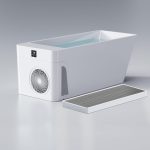
 Cold Plunge
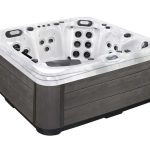 Hot Tubs
 Saunas
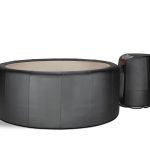 Softub
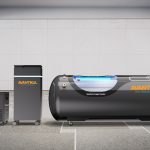 Hyperbaric
 Red Light

Build a Wellness Routine Around Heat, Cold & Recovery
Cold plunges and saunas have become a major part of the home wellness movement.
But you don’t need exaggerated promises to understand why.
Cold-water immersion has been studied for exercise recovery, soreness, physiological responses to cold, and other aspects of health and well-being. Sauna and passive heat exposure have been studied for cardiovascular function, relaxation, and other health outcomes.
There’s promising research in both areas.
There’s also a lot we’re still learning.
At Avantikul, we’d rather help you understand the difference.
The goal isn’t to convince you that a cold plunge or sauna can fix everything.
It’s to help you understand what these wellness tools actually do, what researchers are studying, and how they might fit into a routine you’ll enjoy using consistently.
WHY COLD PLUNGE?
Cold-Water Immersion at Home
There’s something very different about stepping intentionally into cold water.
You notice it immediately.
Your breathing changes.
Your attention shifts.
And for a few minutes, whatever else you were thinking about tends to become considerably less important.
That’s part of what attracts many people to cold plunging.
But there’s also legitimate research behind cold-water immersion — particularly in the area of exercise recovery and muscle soreness.
The important thing is understanding what the research does and doesn’t tell us.
Cold plunging is a tool.
How useful that tool is depends on what you’re trying to accomplish, when you use it, and how your body responds.
COLD PLUNGE BENEFITS
Post-Exercise Muscle Soreness
This is one of the better-supported applications of cold-water immersion.
Research has found that cold-water immersion can help reduce perceived muscle soreness following strenuous exercise.
That can make cold plunging particularly interesting for athletes, active adults, and people with demanding training schedules.
There’s an important distinction, though:
Feeling recovered and creating long-term training adaptations aren’t always the same thing.
People primarily interested in maximizing muscle growth should understand the research surrounding immediate cold-water immersion after resistance training.
READ: SHOULD I COLD PLUNGE AFTER LIFTING WEIGHTS? →
Exercise Recovery
Cold-water immersion has been studied extensively as a recovery strategy.
Depending on the type of exercise, timing, water temperature, and outcome being measured, research suggests cold-water immersion may support certain aspects of short-term recovery.
That’s why you’ll see cold-water immersion used in many athletic environments.
But there isn’t one cold-plunge protocol that’s best for every sport, workout, or objective.
Your training goal matters.
A Powerful Cold-Water Experience
One of the most immediate effects of cold-water immersion is simply the body’s response to cold.
You don’t need a study to know when you’ve stepped into cold water.
The experience demands your attention.
Some people enjoy that challenge and incorporate cold plunging into a regular wellness routine because of how they personally feel before, during, and after a session.
Individual experiences vary, and emerging research continues to investigate cold exposure’s effects on stress, mood, sleep, and overall well-being.
We think it’s important to distinguish those developing areas of research from established medical treatment claims.
Controlled Temperature
A purpose-built cold plunge offers something an improvised ice bath doesn’t:
Control.
Instead of continually purchasing and adding ice, a refrigerated cold plunge can maintain water within a controlled temperature range.
That makes it easier to develop a repeatable routine.
You can start conservatively.
Learn how you respond.
Then adjust the temperature based on your experience.
Colder isn’t automatically better.
READ: HOW COLD DOES A COLD PLUNGE REALLY NEED TO BE? →
Convenience & Consistency
This may be one of the most overlooked advantages of owning a cold plunge.
It’s there.
You don’t need to drive to a gym or recovery center.
You don’t need to buy bags of ice.
You don’t need an appointment.
When a wellness practice is convenient, it’s easier to make it part of your routine.
And we’re big believers in this:
A wellness product you actually use is more valuable than one you don’t.
EXPLORE COLD PLUNGES →
WHAT RESEARCH IS STILL INVESTIGATING ABOUT COLD EXPOSURE
You’ll see plenty of claims online about cold plunging and:
- Metabolism
- Immune function
- Inflammation
- Mood
- Stress
- Sleep
- Mental performance
- Hormones
- Weight loss
Researchers are studying many of these areas.
That doesn’t mean every popular claim has been established.
For example, research into cold-water exposure and mental health is promising but still developing, and studies vary considerably in their methods and quality.
That’s why we don’t think a cold plunge needs to be marketed as a cure-all.
There’s already enough interesting research — and enough people who genuinely enjoy the practice — without promising things the evidence hasn’t established.
WHY SAUNAS?
Heat, Relaxation & a Place to Slow Down
Cold gets a lot of attention.
But sometimes what you want is exactly the opposite.
Heat.
A sauna gives you a dedicated environment where sitting still is the activity.
No emails.
No workout.
No television required.
Just heat and time.
For many people, that alone is a big part of the appeal.
Sauna and other forms of passive heat exposure have also become an active area of research, including studies examining cardiovascular and vascular responses.
As with cold plunging, we think the research is most useful when we explain it accurately instead of turning every finding into a promise.
SAUNA BENEFITS
Relaxation
This might sound too simple to call a benefit.
We don’t think it is.
A sauna creates an environment intentionally designed around slowing down.
For many owners, the opportunity to sit quietly in a warm environment becomes an important part of the experience.
Some people sauna alone.
Some use it with a spouse or family member.
Some pair it with cold exposure.
And some simply enjoy having a place where they’re expected to do absolutely nothing for a while.
Wellness doesn’t always need to feel like work.
Heat & Cardiovascular Response
Heat exposure creates real physiological responses.
As your body attempts to regulate temperature, circulation changes and heart rate can increase.
Researchers have studied sauna bathing and other forms of passive heat therapy for their potential effects on cardiovascular and vascular function.
Some observational research has also found associations between regular sauna use and favorable cardiovascular outcomes.
That’s encouraging.
But an association isn’t the same as proving that sauna use prevents cardiovascular disease.
Newer controlled research into passive heating continues to investigate which effects are meaningful, for whom, and under what conditions.
We think that’s the appropriate way to describe the evidence.
Sweating
You’re going to sweat in a sauna.
That’s one of the body’s normal mechanisms for regulating temperature.
You’ll frequently see sweating marketed as “detoxification.”
We’re careful with that term.
Your liver and kidneys do most of the work of processing and eliminating waste from your body. While trace amounts of certain substances can be found in sweat, sweating shouldn’t be viewed as a replacement for your body’s primary waste-removal systems.
So we don’t think you need to buy a sauna because somebody told you that you need to “sweat out toxins.”
There are plenty of other reasons to enjoy one.
Post-Workout Relaxation
After training, some people simply prefer heat.
A sauna provides a place to slow down after physical activity without requiring another workout or complicated recovery routine.
Research continues to investigate how passive heat may interact with exercise recovery and physiological adaptation.
But even without turning every sauna session into a scientific protocol, many people enjoy the transition from training to heat to rest.
Sometimes that’s enough.
Sauna & Sleep Routines
Many sauna owners enjoy using heat as part of an evening wind-down routine.
Research into thermal therapies and sleep has produced encouraging findings, although sauna-specific evidence and individual responses vary.
So rather than promising that a sauna will “cure insomnia,” we’d put it this way:
A quiet sauna session can be an enjoyable part of a relaxation and bedtime routine for people who respond well to heat.
Traditional vs. Infrared Sauna
Not every sauna creates heat the same way.
Traditional saunas primarily heat the surrounding air.
Infrared saunas use infrared energy to deliver heat and generally operate at lower air temperatures than traditional saunas.
That doesn’t make one universally better.
The better choice depends on:
- The heat experience you prefer
- Available space
- Indoor or outdoor placement
- Electrical requirements
- Capacity
- Temperature preferences
- How you plan to use it
EXPLORE SAUNAS →
WHAT ABOUT SAUNA “DETOX”?
We Think This Deserves a Straight Answer
Search for sauna benefits and you’ll encounter the word detox almost immediately.
Here’s how we look at it.
Sweating is real.
The relaxation people experience in a sauna is real.
The physiological response to heat is real.
And sauna and passive heat exposure are legitimate areas of scientific research.
But saying that sitting in a sauna “detoxifies your body by removing toxins and heavy metals” goes beyond what the evidence currently establishes.
Sweat is primarily water and electrolytes.
Your liver and kidneys remain your body’s primary systems for processing and eliminating many waste products.
We don’t need to exaggerate sauna benefits to believe sauna can have a valuable place in a wellness routine.
WELLNESS+
Where Heat and Cold Come Together
You don’t necessarily have to choose between heat and cold.
That’s where Wellness+ comes in.
Combining a cold plunge with a sauna — or pairing a cold plunge with a hot tub — gives you the ability to build different experiences into the same home wellness environment.
Cold when you want cold.
Heat when you want heat.
Hydrotherapy when you want warm water and jets.
And sometimes?
Nothing.
That’s important too.
Recovery shouldn’t become another competition.
CONTRAST THERAPY
Heat + Cold
Alternating between heat and cold is commonly referred to as contrast therapy.
At home, that might mean:
Sauna + Cold Plunge
or
Hot Tub + Cold Plunge
Each creates a different experience.
A sauna provides dry or infrared heat, depending on the equipment.
A hot tub provides warm-water immersion and hydrotherapy.
A cold plunge provides controlled cold-water immersion.
Putting these tools together gives you options.
What it doesn’t give you is one universal protocol everybody needs to follow.
LEARN ABOUT CONTRAST THERAPY →
WELLNESS+ BENEFITS
More Ways to Build Your Routine
The biggest advantage of having both heat and cold available may be flexibility.
You don’t have to use the same modality every day.
You can choose based on your activity, your schedule, your goals, and sometimes simply what sounds good.
Heat When You Want Heat
Some days you may want the quiet warmth of a sauna.
Other days you might want warm-water immersion and hydrotherapy in a hot tub.
Heat exposure creates a different experience from cold-water immersion, giving you another option within the same wellness environment.
Cold When You Want Cold
A temperature-controlled cold plunge lets you incorporate cold-water immersion without constantly managing ice.
That can be especially valuable when cold exposure is something you plan to use regularly.
Recovery After Exercise
Cold-water immersion has evidence supporting its use for certain aspects of post-exercise recovery, particularly muscle soreness.
Heat may provide a completely different post-workout experience centered around warmth and relaxation.
Which one makes sense?
It depends on what you’re trying to accomplish.
For example, someone trying to maximize muscle growth may want to think carefully about routinely using cold-water immersion immediately after resistance training.
That’s exactly why Avantikul focuses on education rather than one-size-fits-all protocols.
Relaxation
Not everything needs to have a performance metric attached to it.
Sometimes you use your sauna because you enjoy sitting in the heat.
Sometimes you use your hot tub because warm water feels good.
Sometimes you cold plunge because you enjoy the challenge.
And sometimes you sit outside next to all three and use none of them.
A good home wellness environment should fit your life rather than control it.
Convenience
Having your wellness equipment at home changes the equation.
No appointment.
No commute.
No membership check-in.
Your equipment is available when your schedule allows.
That can make it easier to turn occasional wellness experiences into a consistent routine.
Personalization
One person might build:
Cold Plunge + Sauna
Another:
Cold Plunge + Hot Tub
Another:
Hot Tub + Sauna
And someone else might want:
Cold Plunge + Sauna + Hot Tub
There isn’t one correct home wellness setup.
Start with what you’re trying to accomplish.
Then choose the tools that help you get there.
WHAT WE DON’T PROMISE
We think wellness companies should be clear about this.
Avantikul doesn’t believe every promising research finding should immediately become a marketing claim.
We don’t think you should buy a sauna because someone promises it will:
Detoxify your body.
We don’t think you should buy a cold plunge because someone promises it will:
Make you lose weight.
And we don’t think either product should be presented as a treatment for:
Depression, anxiety, cardiovascular disease, arthritis, hormonal disorders, immune disorders, or other medical conditions.
Researchers are actively investigating heat exposure, cold-water immersion, exercise recovery, cardiovascular function, sleep, mood, inflammation, metabolism, and many other areas.
Some findings are encouraging.
Some are mixed.
Some are preliminary.
And science continues to evolve.
We’ll tell you what we know, what looks promising, and what we still don’t know.
We think that’s more useful.
BUILD A WELLNESS ROUTINE THAT FITS YOU
The best wellness space isn’t necessarily the one with the most equipment.
It’s the one you use.
Maybe that starts with a cold plunge.
Maybe it’s a sauna.
Maybe you’ve always wanted a hot tub.
Maybe you’re ready to create an entire backyard with heat, cold, hydrotherapy, and a place to sit between sessions.
Before you decide, ask yourself:
What am I trying to accomplish?
That’s where we start too.
EXPLORE YOUR OPTIONS
SHOP COLD PLUNGES →
SHOP SAUNAS →
SHOP HOT TUBS →
EXPLORE CONTRAST THERAPY →
EXPLORE HOME RECOVERY →
EXPLORE BACKYARD WELLNESS →
EXPLORE HOME GYM WELLNESS →
QUESTIONS ABOUT HEAT, COLD OR HOME WELLNESS?
Ask Jeff
Jeff Rempfer spent 29 years as a firefighter and has firsthand experience with injuries, rehabilitation, and many of the wellness modalities we offer at Avantikul.
In Ask Jeff, he answers the questions people actually ask us about cold plunging, saunas, hot tubs, contrast therapy, exercise recovery, and building wellness spaces at home.
No miracle claims.
No one-size-fits-all protocols.
Just straightforward answers designed to help you make better decisions.
ASK JEFF →
Important Health & Safety Information
Heat and cold exposure create real physiological stress and may not be appropriate for everyone.
People with cardiovascular or circulation concerns, certain medical conditions, people taking medications that may affect temperature regulation or cardiovascular responses, pregnant individuals, and anyone uncertain about whether heat or cold exposure is appropriate for them should consult a qualified healthcare professional.
Avantikul provides information about wellness equipment and its use. This information isn’t intended to diagnose, treat, cure, or prevent disease and isn’t a substitute for individualized medical advice.